
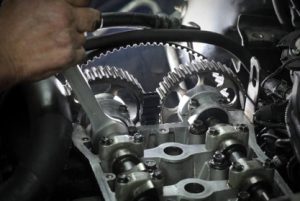
Sommer Car Care works with European vehicles and understands the differences between a timing belt and a chain in Brisbane. In the world of European automotive engineering, the synchronisation of your engine’s internal components is a feat of precision. Whether you drive an Audi, BMW or Volkswagen, knowing the mechanical link between the crankshaft and the camshaft is vital. This link is managed by either a timing belt or a timing chain. Understanding which system your vehicle utilises is essential for long-term engine health, especially given the high-performance nature of European power plants often found around North Brisbane. Call us now for professional diagnostics.
The Role of the Timing System
The primary job of these components is to ensure the engine’s valves open and close at the precise moment during each cylinder’s intake and exhaust strokes. In an interference engine, which is a design common in European cars, the valves and pistons occupy the same space at different times. If the timing belt and chain system fails, these components can collide, resulting in catastrophic engine damage.
Timing Belts: Offering Quiet Precision
A timing belt is a reinforced rubber strap with teeth on the inside surface. European manufacturers often choose belts because they are lighter, quieter and more cost-effective to produce.
- Lifespan: Generally, belts require replacement every 60,000 to 100,000 kilometres, though this varies by manufacturer.
- Maintenance: Since rubber degrades over time regardless of mileage, the age of the belt is just as important as the odometer reading. In the humid environment of Brisbane, rubber components can perish faster than in cooler climates.
Ignoring maintenance intervals may increase the risk of sudden failure, which can lead to major engine damage in interference engines, commonly found in European vehicles.
Timing Chains: Built for Longevity
A timing chain looks much like a heavy-duty bicycle chain and operates inside the engine, where it is lubricated by engine oil. Brands like BMW have long favoured chains for their durability.
- Lifespan: Ideally, a chain is designed to last the lifetime of the engine. However, “lifetime” is a variable term that largely depends on the frequency of oil changes.
- Complexity: While they don’t have a set replacement interval, chains rely on hydraulic tensioners and plastic guides. If engine oil is dirty or low, these tensioners can fail, leading to chain stretch.
While timing chains are known for longevity, they are not maintenance-free. Over time, chain stretch, worn guides or tensioner issues can develop. When these problems arise, they may affect engine timing accuracy and lead to performance issues. Regular inspections help ensure the system continues to function as intended.
Timing Belt vs. Timing Chain
When comparing a timing belt vs. a timing chain, the trade-off usually comes down to maintenance costs versus noise. Belts are silent but require periodic, scheduled replacement. Chains are noisier and more expensive to repair if they fail, but they rarely require intervention if the vehicle is serviced correctly.
Symptoms of Wear
Whether your vehicle uses a timing belt or chain, recognising early warning signs is essential. Regardless of the system, European engines often provide subtle warnings before a total failure occurs. Some common indicators include:
- Rattling Noises: Rattling or ticking noises from the engine are a common sign of a loose timing chain or a failing tensioner, particularly during a cold start.
- Misfires: If the belt or chain has jumped a tooth, the engine timing will be off, leading to poor performance.
- Metal Shavings: During an oil change, finding small metal fragments in the oil filter can be a sign that the chain is wearing down its guides.
- Others: Additional signs include rough running or reduced performance, difficulty starting the vehicle and dashboard warning lights related to engine timing.
In some cases, these symptoms may appear gradually, while in others, they can occur suddenly. Addressing them early can prevent more serious complications.
European Engine Considerations
High-model European vehicles are often pushed to higher thermal limits. This makes the cooling system and oil quality integral to the timing system’s survival. The best way to avoid the steep costs associated with timing failure is to ensure that your vehicle is inspected by those familiar with European tolerances. While a chain is robust, it is not maintenance-free. Regular diagnostic checks can identify wear in the guides or tensioners before the chain itself becomes a problem. Additionally, driving habits and conditions, such as frequent short trips in Newmarket or stop-start traffic in Brisbane, can influence wear patterns. Monitoring these factors can help extend the life of key engine components.
Conclusion
Understanding the differences between a time belt and a timing chain setup is essential for maintaining a European vehicle. Each system has its own advantages and maintenance requirements, and staying informed can help prevent unexpected failures and costly repairs.
Call us on 07 3833 9600 to request a quote or book an inspection and ensure your European vehicle’s timing system in Brisbane is in peak condition.