
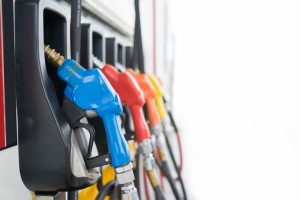
At Sommer Car Care in Newmarket, Brisbane, this is a common workshop conversation, especially with late-model European cars. These vehicles are often less forgiving than older engines because they run tighter tolerances and far more precise fuel delivery systems. Small changes in what goes through the bowser can affect idle quality, throttle response, and long-term wear. For diesel owners, premium diesel fuel often gets mentioned for that reason. It can burn cleaner, carry detergents, and leave fewer deposits behind, which matters more in engines built with close tolerances and expensive components.
Why European Engines React Differently
Many European engines are built for strong output from smaller capacity motors, so they rely on high compression and very accurate ignition timing. Some also run direct injection and turbocharging, which puts more pressure on the combustion process. That matters because the engine management system expects a certain standard of fuel. If the burn is unstable or contaminated, the car has less room to shrug it off. An older engine might simply feel a bit rough. A newer BMW, Audi, Mercedes-Benz or Volkswagen may react straight away.
What Poor Fuel Does Under Load
Poor fuel quality usually shows up first when the engine is asked to work. You might notice pinging in a petrol engine, sluggish pickup on hills, rough cold starts, or a flatter feel through the mid-range. On many European cars, the ECU will pull timing to protect the engine once combustion becomes erratic. That keeps major damage at bay, but it also leaves the car feeling dull and thirstier than usual. In diesel vehicles, inconsistent fuel can affect injector spray patterns, which means weaker combustion and more soot.
Inside the Fuel Tank in a Car
Bad fuel does not stop at the combustion chamber. Water, sediment, and degraded fuel can move through the whole system, starting with the pump and filter before reaching the injectors. Modern injectors work with tiny passages and very fine spray control, so even minor contamination can cause trouble. Once deposits start to form, the fuel pattern changes, and that affects how completely the mixture burns.
Why Carbon Build-Up Gets Worse
Once contamination starts in the fuel tank in a car, carbon trouble often follows. Incomplete combustion leaves more residue behind, and that residue can settle on intake valves, piston crowns, EGR components, and diesel particulate filters. European engines are especially prone because many use direct injection, where fuel no longer washes over the back of the intake valves. Over time, those deposits can lead to rough idle, hesitation, higher oil contamination, and repair bills that are far bigger than the cost of filling up properly in the first place.
Using the Right Fuel Matters
Using the grade listed by the manufacturer is less about brand loyalty and more about giving the engine the conditions it was built for. In petrol models, that usually means the correct octane. In diesel models, premium diesel fuel can help keep injectors cleaner and reduce deposit build-up over time. It will not fix a mechanical fault, but it can reduce the day-to-day strain caused by poor combustion, especially in cars that mostly do short trips or spend a lot of time in traffic.
Know What Your European Car Should Be Running
If you are unsure what your model should be using, Sommer Car Care can check the manufacturer requirements and inspect for early signs of fuel-related issues. Use our contact page or call 07 3833 9600.